 Apple Podcasts
 Spotify
 YouTube
 iHeart
A century ago, oysters were plentiful in Mobile Bay. Today, Alabama oyster populations are at an all-time low due to overharvesting, environmental changes, storms, and predators and disease.
DISL’s Senior Marine Scientist Dr. Lee Smee research aims to help oyster survivability by helping them to create a stronger shell as soon as they settle. In this podcast, Smee explains how they use predator cues to scare the oysters strong.
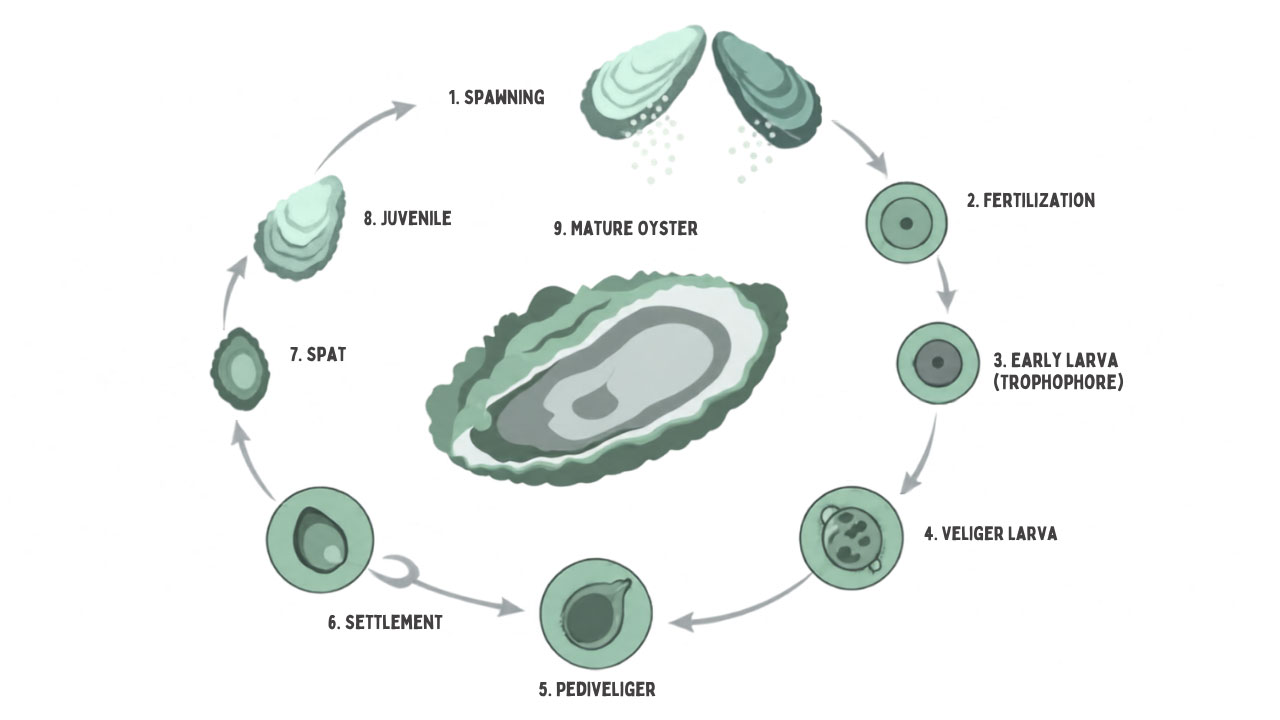
Oyster Life Cycle
Remote Setting
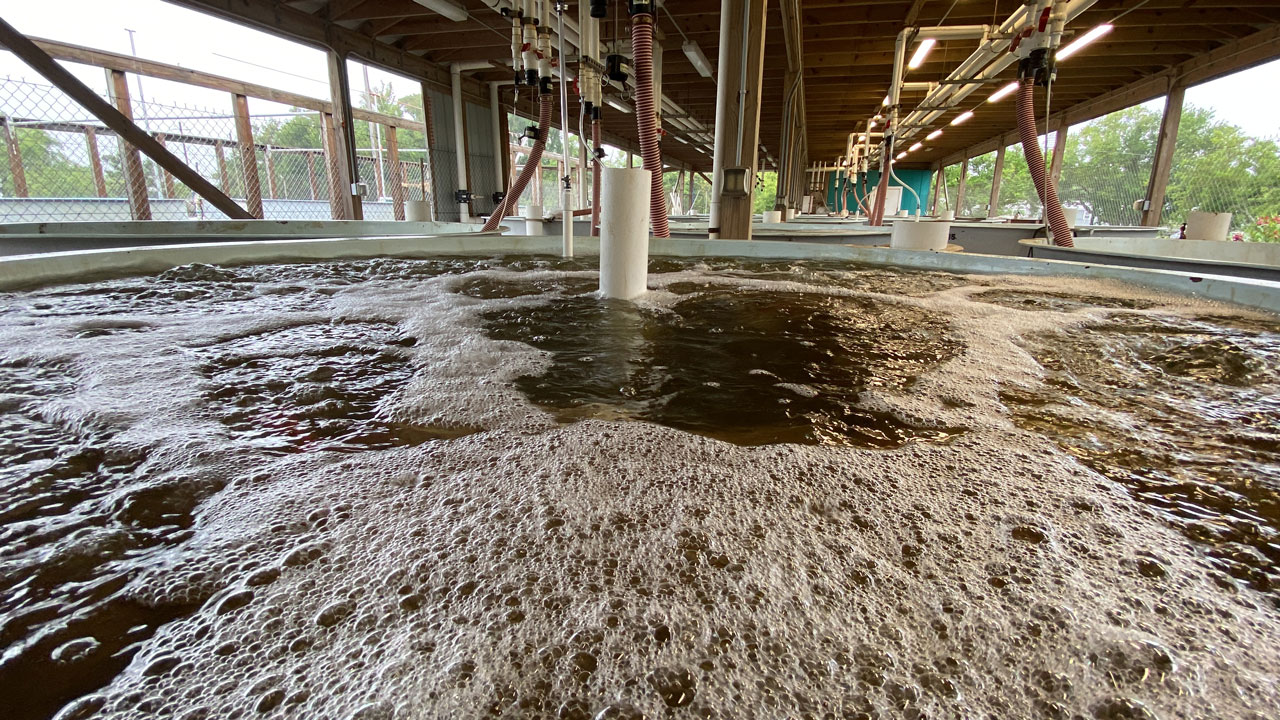
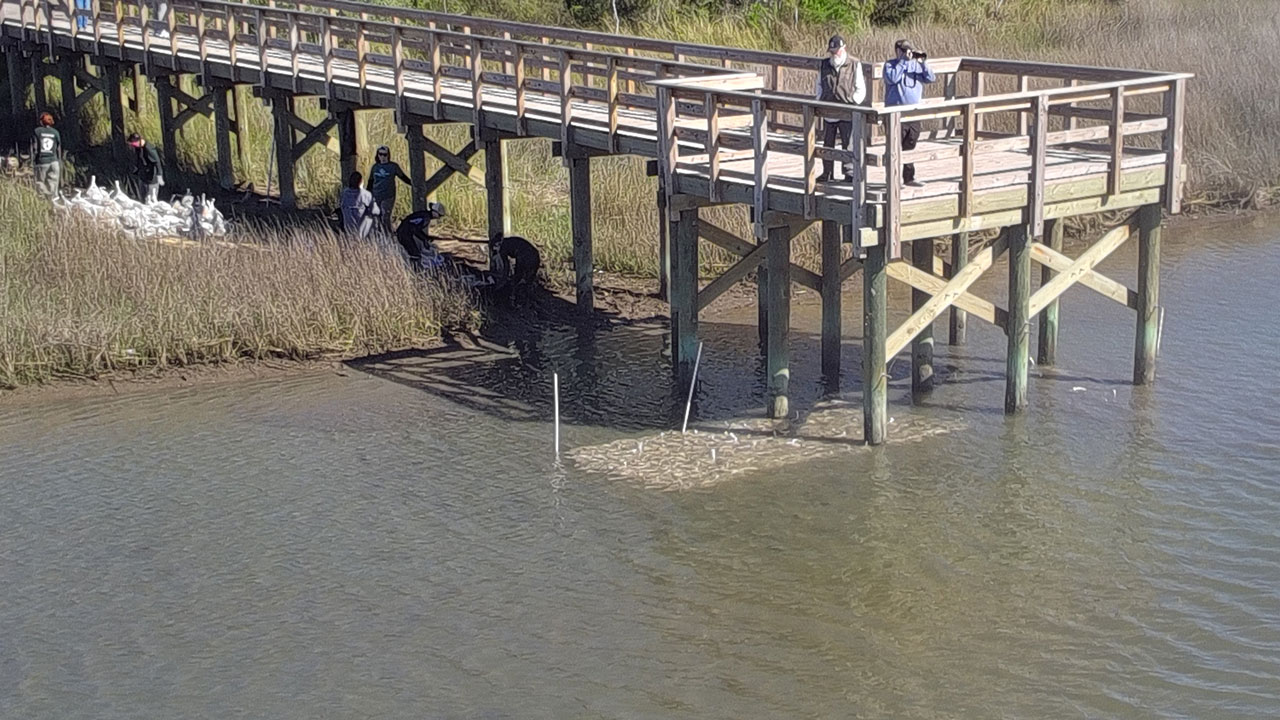
The Smee Lab uses remote setting in oyster restoration projects. It gives the oysters a head start on building a new reef. This is important where natural populations are low.
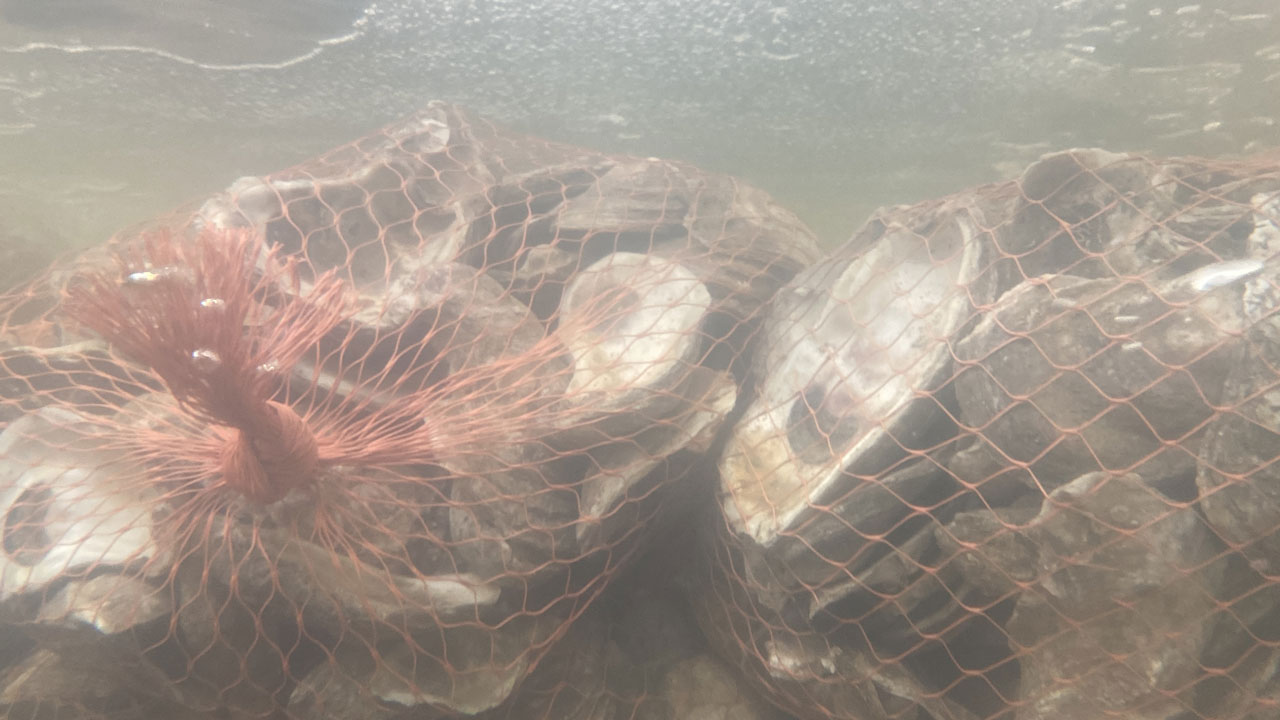
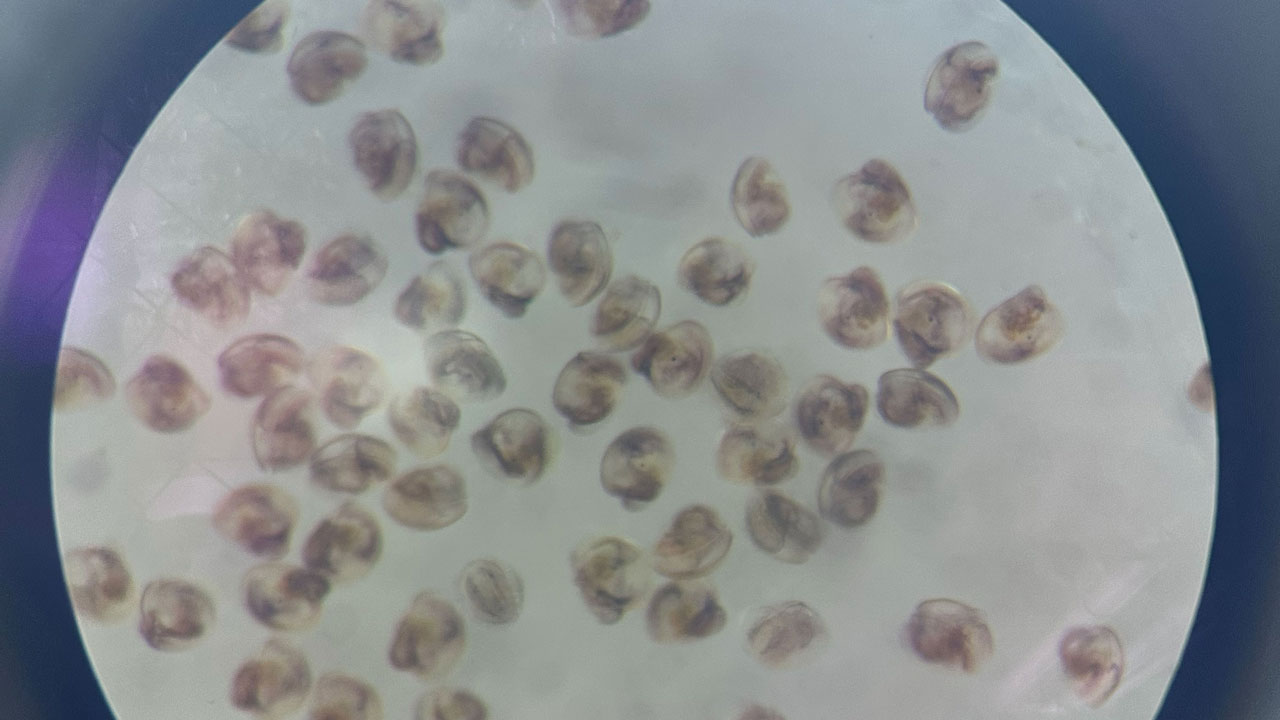
In the process, oyster larvae need a hard surface for settlement. The Smee Lab uses bagged recycled oyster shells set into large tanks to give the oyster larvae a place to settle. Once settled, the oysters are referred to as spat-on-shell. The bags used in the process are biodegradable.
Related Research Articles
- Research in Alabama’s Mobile Bay could have value for oyster reef restoration
- What Happens When You Expose an Oyster to Crab Pee?
Related Research Publications
- 2019 Comparison of Nursery Methods to Strengthen Oysters for Aquaculture
- 2020 Nursery Exposure of Oyster Spat to Different Predators Strengthens Oyster Shells
- 2021 Use of predator cues to bolster oyster resilience for aquaculture and reef restoration
- 2023 Induced defenses as a management tool: Shaping individuals to their environment
- 2025 Scared strong: using predator cues to bolster shellfish restoration