Oyster Ecology & Biology
Oysters are bivalve mollusks that live in brackish intertidal and subtidal areas along the Gulf Coast. They are known as “ecosystem engineers” because they build physical reefs that reshape their environment, creating habitat and shelter for fish, shrimp, crabs, and other aquatic life. As filter feeders, oysters also help improve water quality by removing excess nutrients and particles from the water column.
Because of these roles, oysters are ecologically, economically, and culturally important to the Gulf Coast. They support commercial and recreational fisheries, protect shorelines, and sustain the broader estuarine food web that depends on the habitat their reefs provide.
However, oyster populations have declined due to overharvesting, habitat loss, and environmental changes, threatening both the ecosystems they support and the fishery that depends on them.
Oyster research at the Dauphin Island Sea Lab addresses these challenges directly — improving survival rates, restoring degraded reefs, and supporting sustainable aquaculture to help secure the future of Gulf Coast oysters.
Life of an Oyster
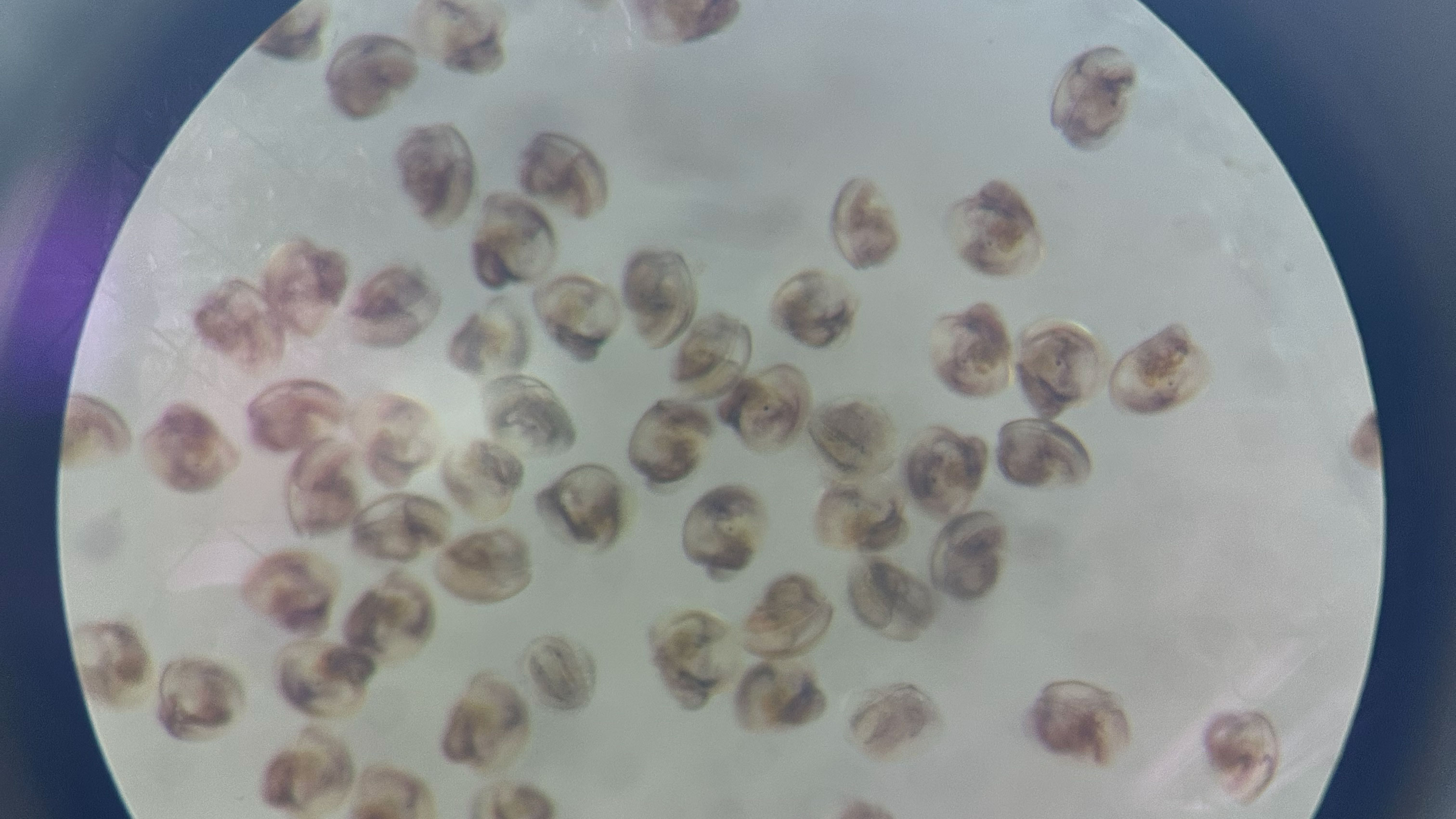
Oysters begin life as tiny free-floating eggs and sperm released into the water during spawning, usually triggered by warming water temperatures. Once fertilized, the egg develops within hours into a trochophore, a microscopic, ciliated larva that spins through the water column. Within a day or two it grows into a veliger, a shelled larva that swims and drifts with the current for two to three weeks, feeding on algae. As it matures, the veliger becomes a pediveliger, developing an eyespot and a small foot that let it sense light and “crawl” along surfaces in search of a place to settle.
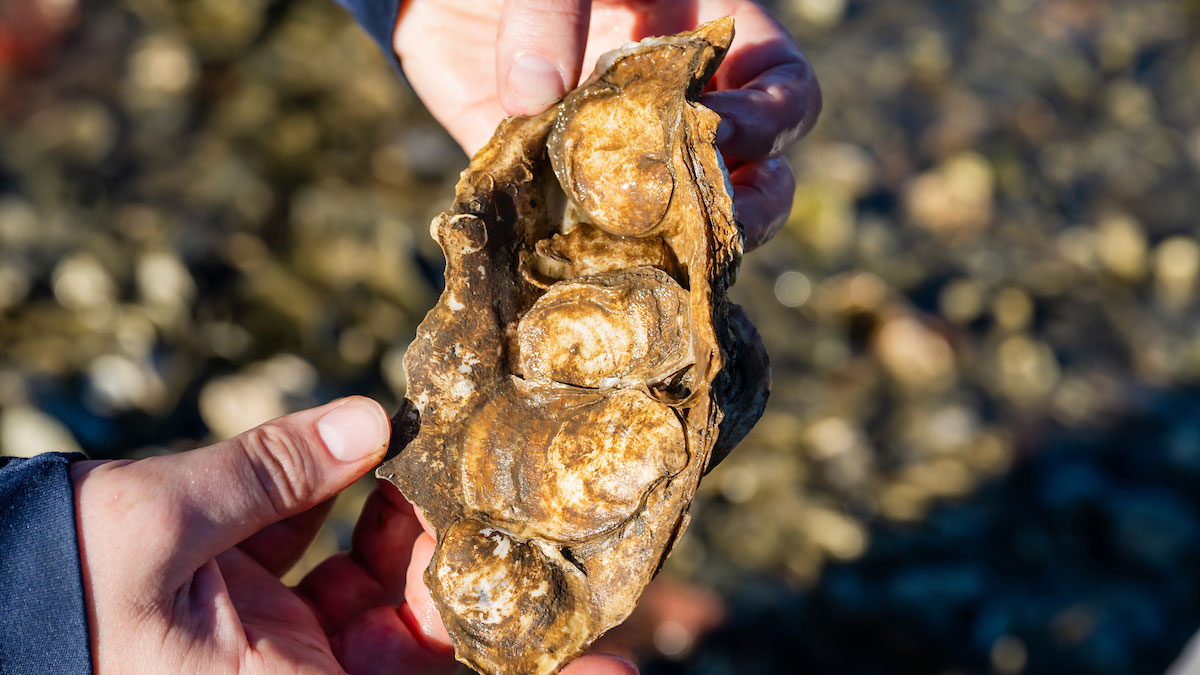
Once it finds a suitable hard surface, often another oyster shell, the pediveliger cements itself in place and metamorphoses into spat, the first fixed, shelled stage. From there, spat grow into juveniles and eventually adults, permanently anchored and filter-feeding as they build up the reef structures that shelter fish, stabilize shorelines, and filter the surrounding water. When conditions are right, mature adults spawn, releasing eggs and sperm to start the cycle over again.
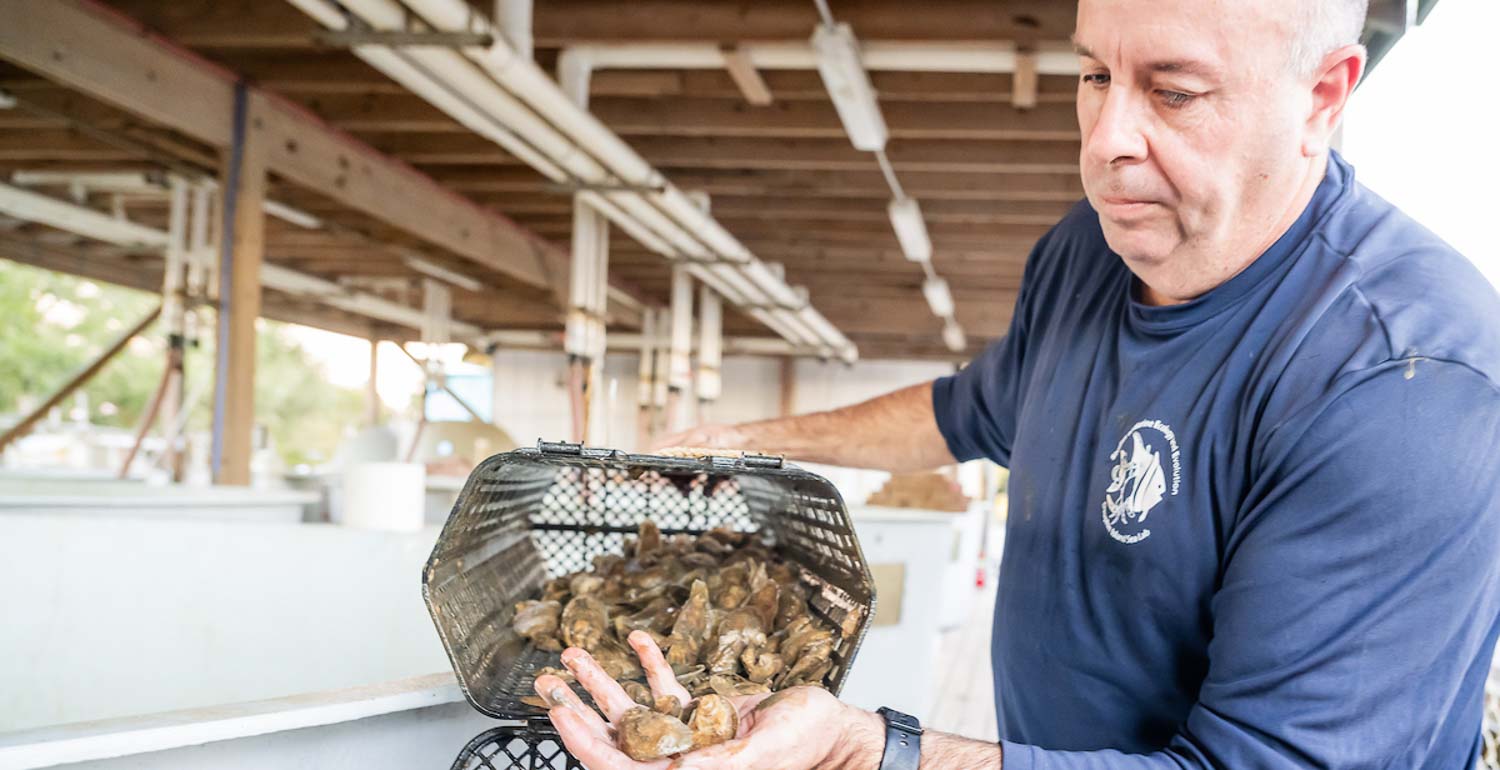
Strengthening Oyster Shells
The Smee Lab research focuses on helping oysters create a stronger, heavier shell in the early stages to improve survivability on a restored oyster reef.
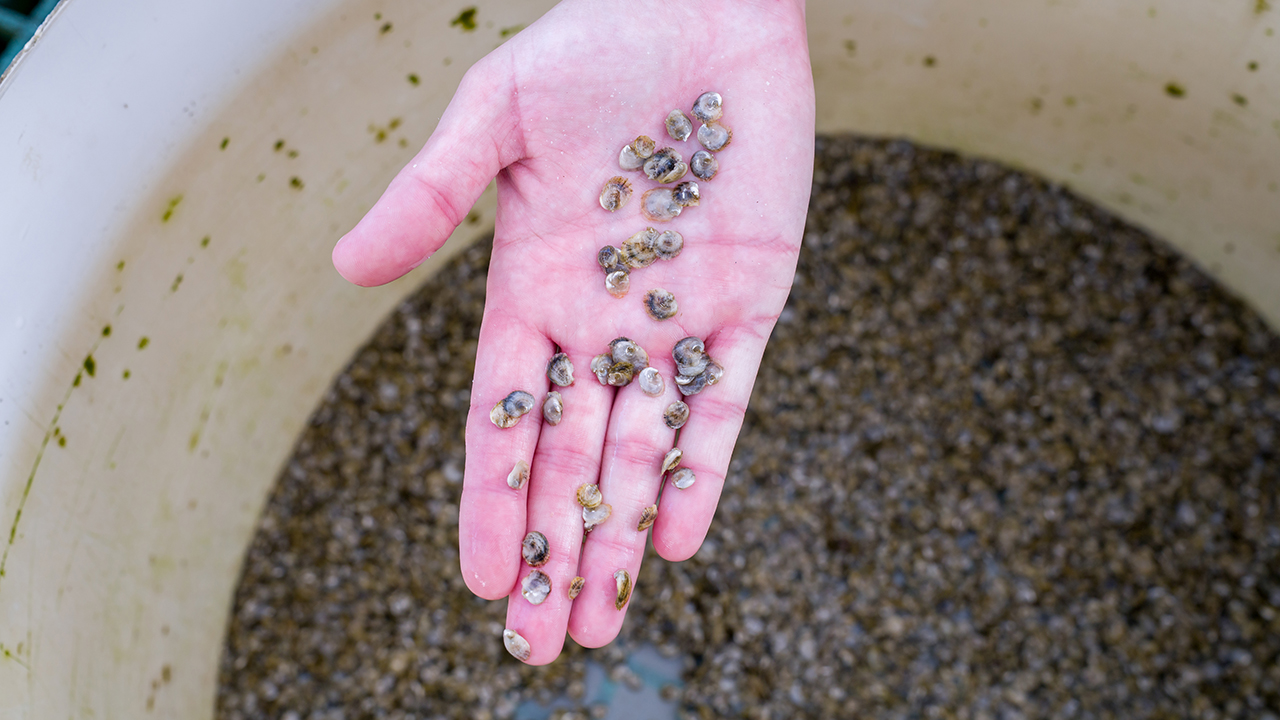
Oyster Research Collaboration
The Auburn University Shellfish Laboratory serves as a satellite base of operations in coastal Alabama for applied and basic marine research conducted by faculty, researchers and graduate students in the School of Fisheries, Aquaculture and Aquatic Sciences of Auburn University.