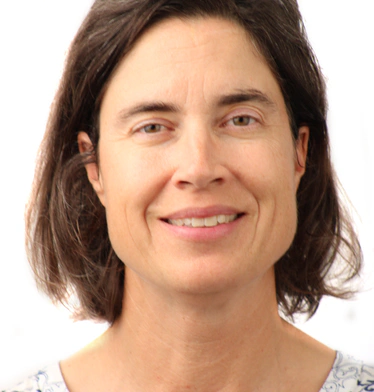
Biography
Originally from Houston, Texas, I’ve had a varied and braided career path, ranging from academic to agency positions, that has taken me to study and work in locations all over the USA and the globe, though most of my time has been spent in and around the Gulf of Mexico.
Education/Academic:
- BS – Wildlife & Fisheries Sciences, Texas A&M University, Bryan-College Station
- MS – Animal Behavior, University of California-Davis
- PhD - Animal Behavior, University of California-Davis
Postdoctoral:
- Smithsonian Marine Science Network Fellow, SMS – Fort Pierce, Florida & Carrie Bow Caye, Belize
- Catchment-to-Reef Research Group, Centre for Tropical Water and Aquatic Ecosystem
- Research (TropWATER), James Cook University, Townsville, QLD Australia
- Part-time researcher & lecturer, University of South Alabama & Dauphin Island Sea Lab
Agencies
- Observer, NOAA National Marine Fisheries Service (rig demolitions in the Gulf of Mexico; post undergrad)
- Research Specialist, Flower Garden Banks National Marine Sanctuary, Galveston, Texas
- Research Coordinator, Grand Bay National Estuarine Research Reserve, Moss Point, Mississippi
Research
My research interests center around chemical ecology and behavior of marine organisms and includes understanding the ecological roles and impacts of chemicals in aquatic environments and monitoring the health and status of benthic and estuarine communities.
Current Courses
Aquarium Operations, Management, and Maintenance
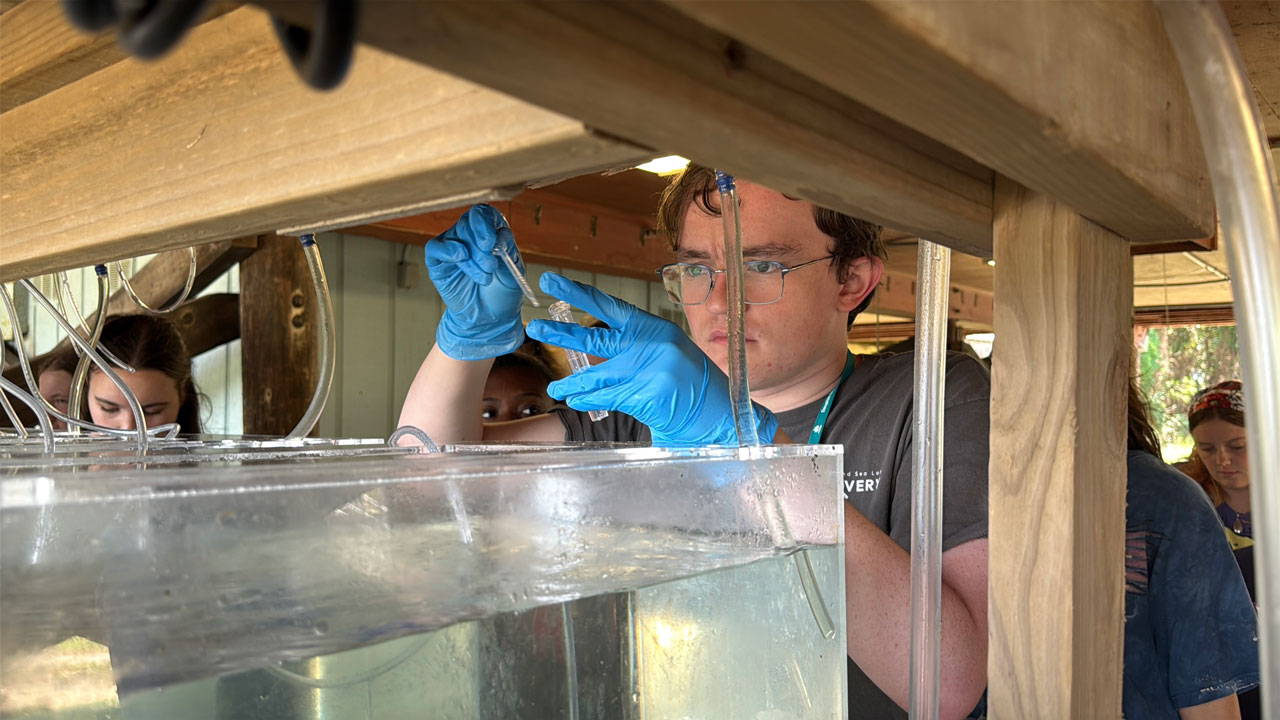
This intensive, hands-on course introduces students to the principles and practices required to operate, manage, and maintain professional aquarium systems. Emphasis is placed on aquarium life support systems, water quality management, routine and preventive maintenance, animal husbandry, documentation, teamwork, and emergency response. Students engage in a mix of classroom instruction, laboratory work, and problem-based group activities grounded in real-world aquarium operational challenges. The course prioritizes systems thinking and professional standards consistent with modern aquarium and zoological institutions.
Biodiversity of Coastal Organisms
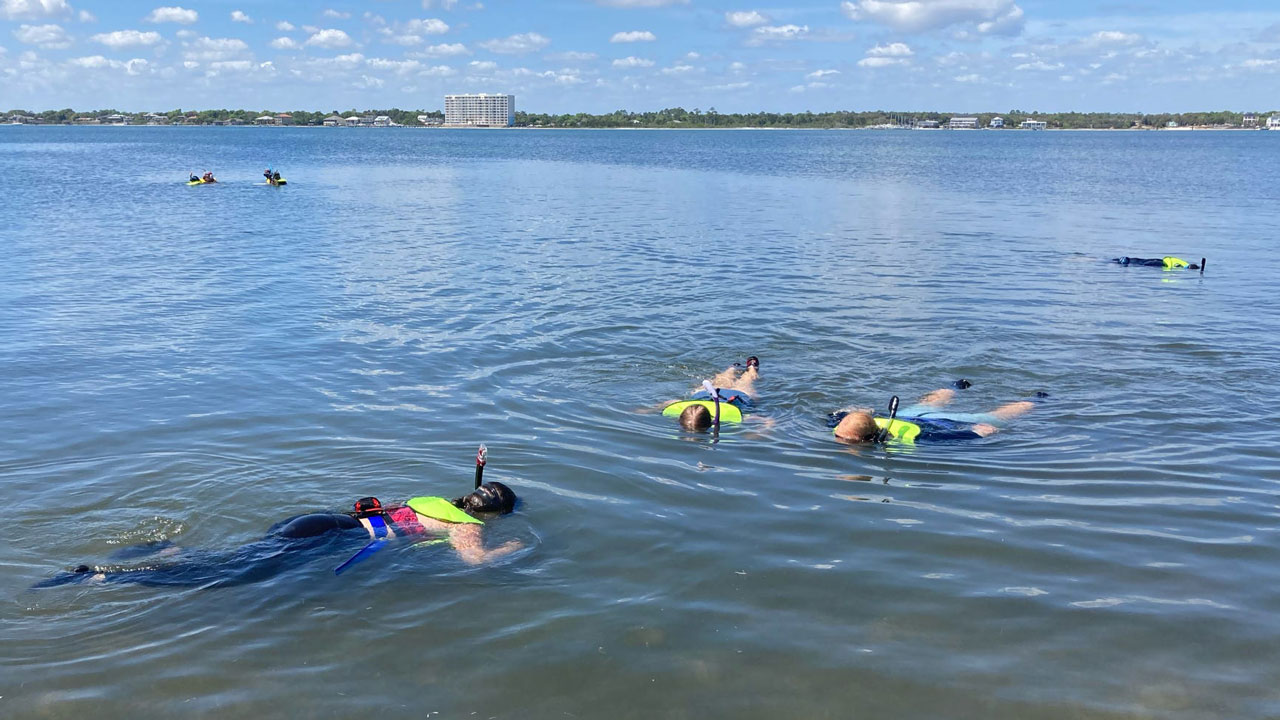
Students investigate the major coastal habitats, the diverse organisms that inhabit them, and the complex ecological processes that connect and sustain these communities. A central theme is the importance of biodiversity for ecosystem function and the critical challenges posed by human impacts.
Field and Laboratory Methods
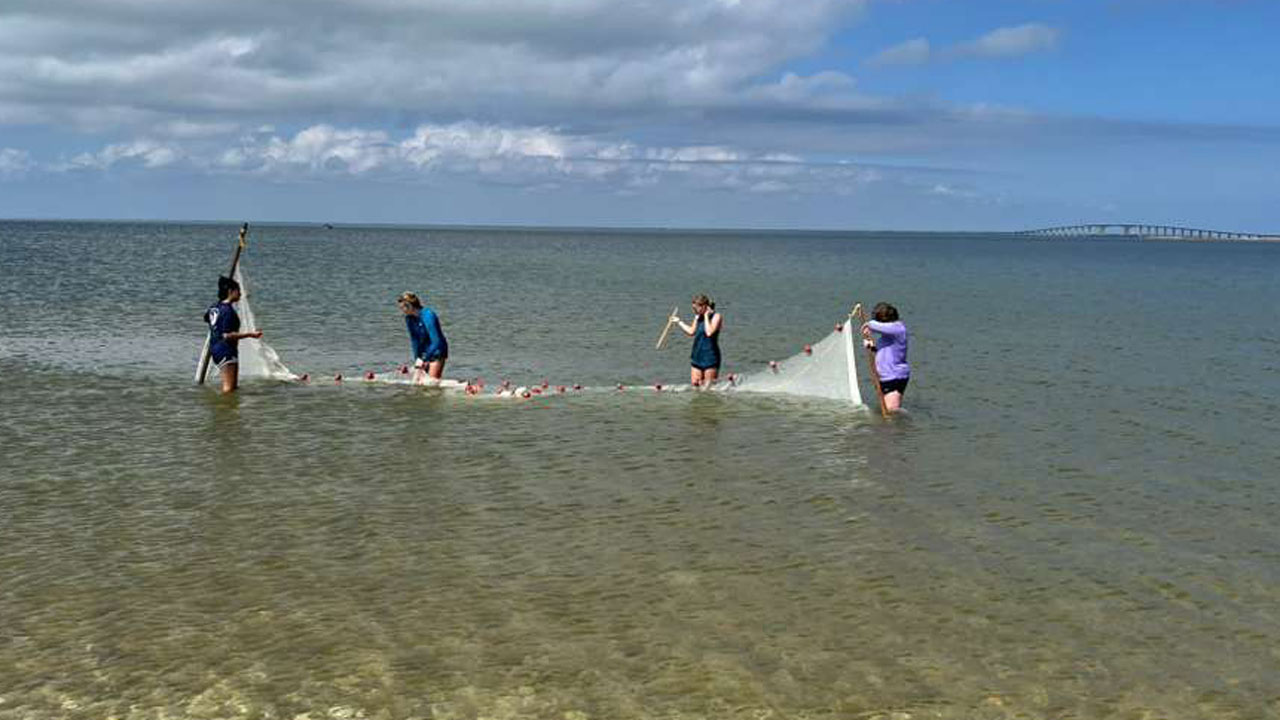
Students gain hands-on experience with a range of field and laboratory methods commonly used in marine sciences, with a focus on coastal ecology methods. The class combines a range of field and lab activities, to provide training and skills across a range of methods; such as seining, coring, trailering, vessel operations, and more.
Professional Skills
This course is designed to give students an understanding of career paths available to marine science majors and how to navigate finding and applying for the next step. Skills taught include effective written and oral communication, preparation of CVs/resumes, writing effective cover letters, and tips for applications to graduate/professional school.