Biography
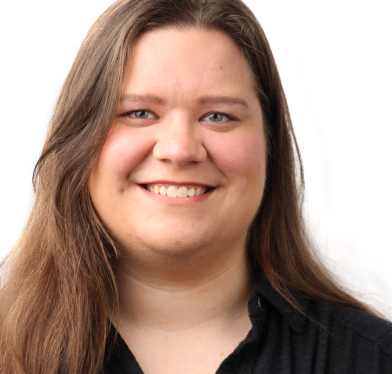
Born and raised in Austin, Texas, my interest in a career in ocean sciences began in high school when I competed in the National Ocean Science Bowl. I worked on my bachelors of science in Biology at Texas A&M, Corpus Christi, where I lived on an island much like Dauphin Island.
After graduating I served as a research technician before beginning my PhD at the Dauphin Island Sea Lab and University of South Alabama. My dissertation focused on oyster feeding physiology in Mobile Bay and whilst under decreased pH conditions (oyster poop!). I also focused on an oyster predator, the oyster drill, and their feeding ability and tracking skills in a low pH environment.
At the Dauphin Island Sea Lab, I serve as an instructor, but also aim to continue executing research within the classroom and while working with undergraduate students.
I develop undergraduate and lab-wide community programs such as the DISL Mentorship Program, Bingo Night, and career development workshops.
Research
- Investigating oyster drill (Stramonita spp.) tracking to oyster (Crassostrea virginica) prey under normal conditions and pH stress
- Examining the potential of oyster (Crassostrea virginica) biodeposits as nutrient sequestration and concentration vectors
- Understanding local thermal tolerances and subsequent gape behaviors of oysters (Crassostrea virginica)
Courses
Biodiversity of Coastal Organisms
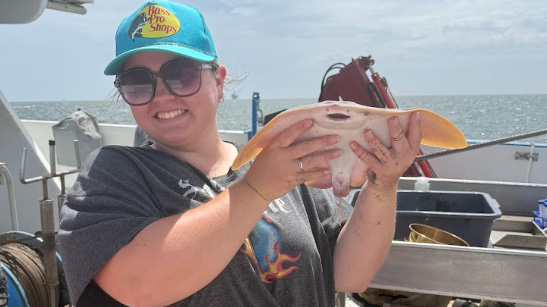
Students investigate the major coastal habitats, the diverse organisms that inhabit them, and the complex ecological processes that connect and sustain these communities. A central theme is the importance of biodiversity for ecosystem function and the critical challenges posed by human impacts.
Field and Lab Methods
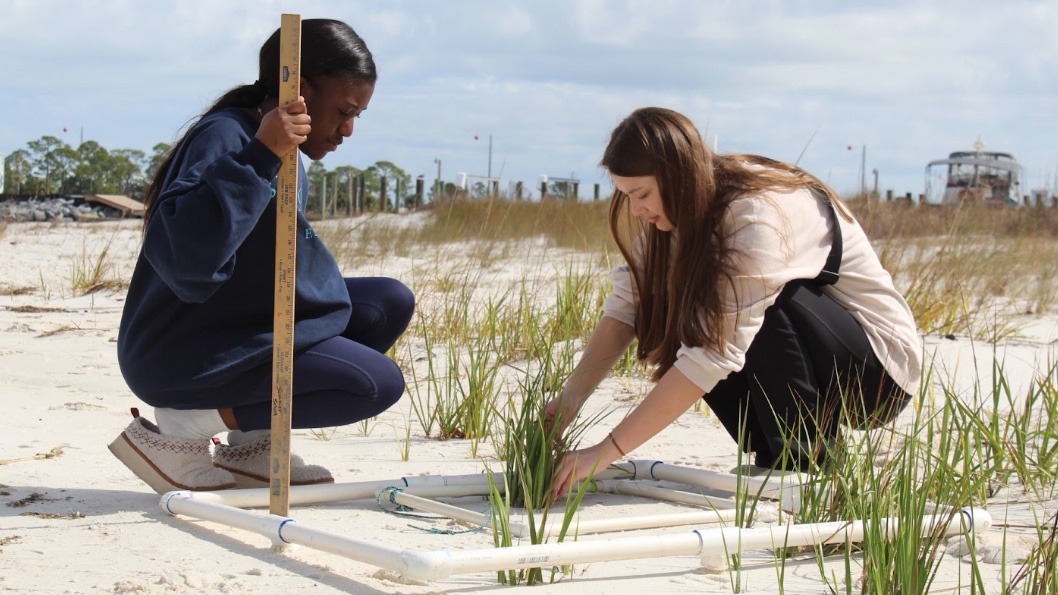
Students gain hands-on experience with a range of field and laboratory methods commonly used in marine sciences, with a focus on coastal ecology methods. The class combines a range of field and lab activities, to provide training and skills across a range of methods; such as seining, coring, trailering, vessel operations, and more!
Marine Restoration Ecology
This course focuses on marine habitat restoration, scientific and technical principles, ecological concepts, and its role in science and society. Students will learn to identify structural and functional components of marine habitats, design restoration projects, and implement adaptive management strategies. They will also learn about the interdisciplinary nature of restoration science, including social, ethical, political, and economic aspects. Field trips will allow students to see local restoration sites and learn monitoring techniques used in various habitats (e.g., salt marsh, oyster reef, seagrass bed). This course is designed for undergraduate and graduate students.
Introduction to Oceanography
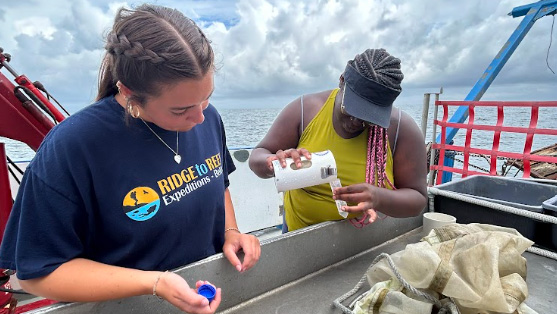
This hands-on course provides students an opportunity to learn about the physics, chemistry, geology and biology of the ocean. Students will apply this knowledge firsthand by implementing sample collection strategies on board a research vessel during cruises in Mobile Bay and the Gulf. This course will enable students to interpret oceanographic data collected during their cruises and to create clear and concise presentations. Typical data collected on board the research vessel will include hydrographic (temperature, pH, salinity, inorganic nutrients, light intensity) and biological (phytoplankton, zooplankton) variables that are collectively processed and visualized.